Food
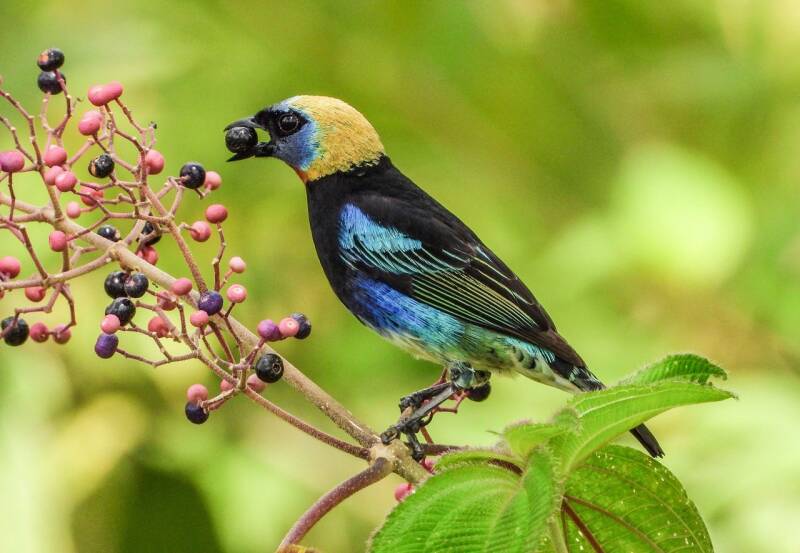
Tanagers are true omnivores in the wild, with a diet that includes fruit, nectar, and a wide variety of insects. Animal protein plays an especially crucial role during the rearing of chicks. A well-balanced diet is therefore essential for getting, and keeping, tanagers in top condition, particularly for species that are prone to nutritional deficiencies or rapid changes in condition.
By providing the right balance of fruit, universal soft food, egg food, pellets, nectar, and plenty of insects, you create a complete nutritional profile that closely matches the tanager’s natural needs. This leads directly to better overall condition, a more stable breeding drive, and more successful chick rearing.
If you keep several pairs in one aviary, make sure to offer food on different places. Make sure the feedingplaces are out of sight so every bird can eat without a dominant bird chasing others away.

FRUIT
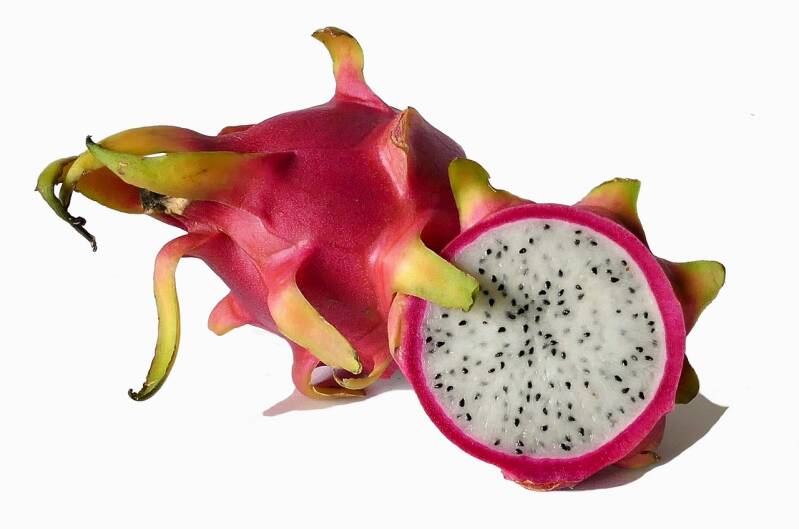
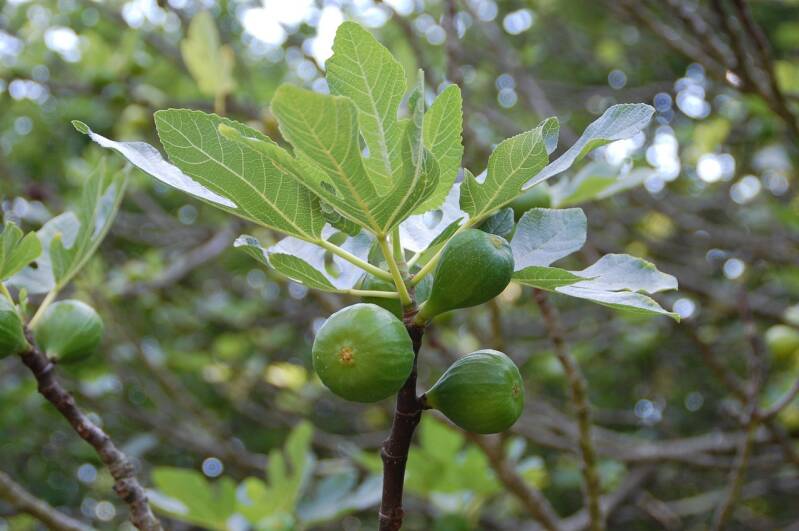
Tanagers are dedicated fruit eaters and therefore require daily access to fresh fruit. Apple and pear make an excellent base, with papaya offered regularly as well. These can be alternated with soft fruits such as grapes, kiwi, and mango. Berries (e.g., blueberries, blackberries), pomegranate, pineapple, passion fruit, dragon fruit, tamarillo, melon, fig, prickly pear, and small pieces of orange or mandarin are also generally well accepted. Variety stimulates natural foraging behavior and provides a broad range of nutrients. It is also advisable to regularly offer tomato, cooked carrot, and cooked sweet potato. Banana should be fed sparingly, as it spoils quickly and can contribute to birds becoming overweight. Some species will also nibble on leaves or other greens; for these birds, chicory or endive can be offered occasionally. The more varied the diet, the better—tanagers consume a wide range of fruits in the wild. Do keep an eye on vitamin C levels, as excessive intake may contribute to iron accumulation.
Fruit can be offered in several ways, each with its own advantages and disadvantages.
Cutting fruit into small pieces makes it easy for the birds to eat, but tanagers often carry the pieces to a perch. They eat there, and leftover fragments fall to the ground—something that is less desirable from a hygiene standpoint.
A much cleaner method is to offer larger pieces of fruit, removing only a small section of the peel. Tanagers will feed at the exposed area, while the remaining fruit stays fresh thanks to the intact skin. This reduces mess, limits waste, and provides the birds with longer-lasting enrichment. It is advisable, however, to cut away the upper, pecked layer daily to keep the fruit clean and hygienic.
Additionally, make sure that:
-
Fruit is replaced daily, especially in warm weather.
-
Citrus is avoided for birds that react sensitively to it (some individuals may develop loose droppings).
-
Overripe, fermenting, or spoiled fruit is always removed.
By offering fruit that is fresh, varied, and presented in an appropriate way, tanagers remain healthy, active, and in excellent breeding condition in captivity.
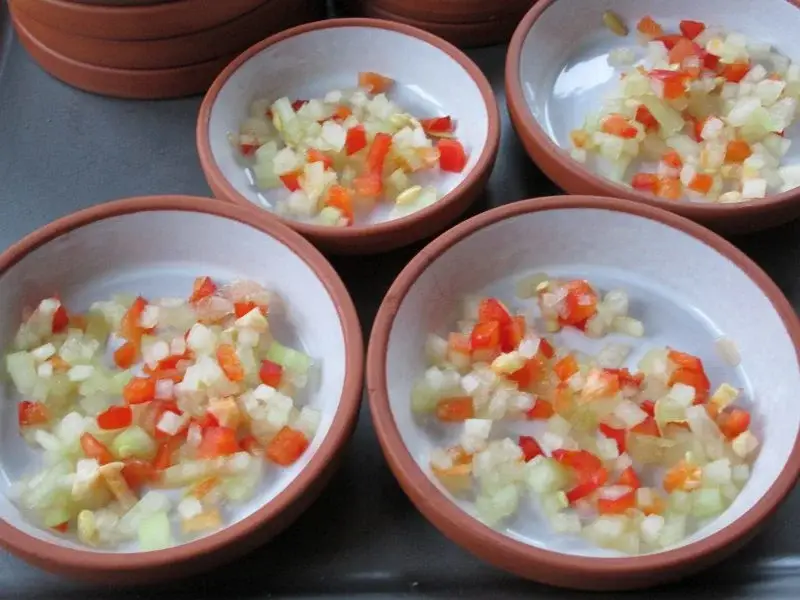
Another convenient way to offer fruit to fruit-eating birds is to purée the fruit into a coarse mash. This feeding method has been successfully used by Paul van der Voort for many years.
One of the main advantages of puréeing fruit is that the birds can no longer pick out only their favourite pieces. Everything is mixed together, ensuring that they consume the entire fruit mixture. Supplements, vitamins, or prescribed medication can also be easily and evenly mixed into the food. This makes it much more likely that each bird receives the intended amount.
Puréeing fruit is also very practical. A larger batch can be prepared at once, divided into individual portions, and frozen. This allows fruit to be stored for longer, makes it possible to take advantage of seasonal fruits, and means that a fresh portion can simply be thawed each day.

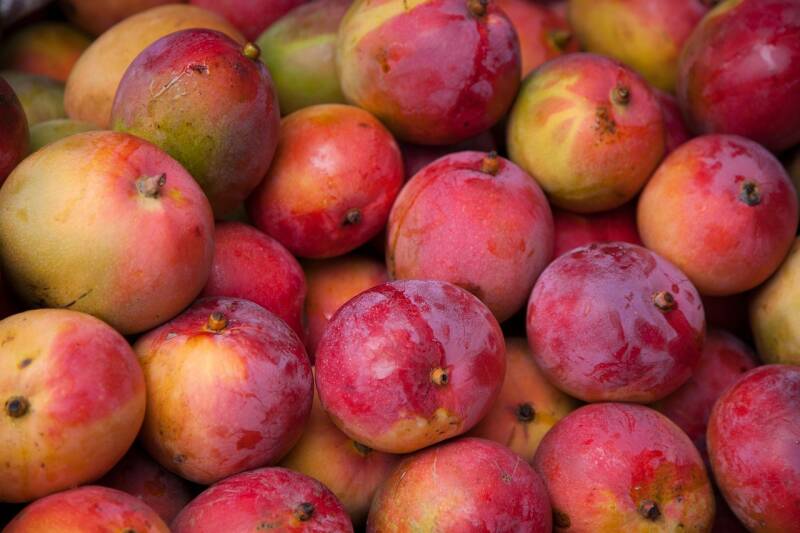
Let bij mango dat u kiest voor mango uit Zuid-Amerika. Mango uit Afrika is vaak minder zoet en worden minder graag gegeten door onze vogels.
softfood & pellets
Soft food and pellets form an important part of the diet of captive tanagers. They provide a stable base of vitamins, minerals, amino acids, and energy, while also supplementing nutrients that may be lacking in fruit or insects. Because tanagers can be sensitive to both deficiencies and excesses (such as iron), choosing high-quality food is essential.
A good universal soft food provides a reliable nutritional foundation that you can build on. Brands such as Versele-Laga (Universal Soft Food and Fruit Patee), Nutribird UniComplet, Mazuri Softbill Diet, and Wisbroek Softbill Diet are widely used by breeders and often complement one another well. Ultimately, it is less about the specific brand and more about quality, composition, and the balance within the total diet.
Universal soft food (e.g., Versele-Laga):
Serves as the daily base for many species. It is soft, easy to digest, and ideal for mixing with insects or supplements.
Pellets (e.g., Mazuri, Wisbroek, UniComplet):
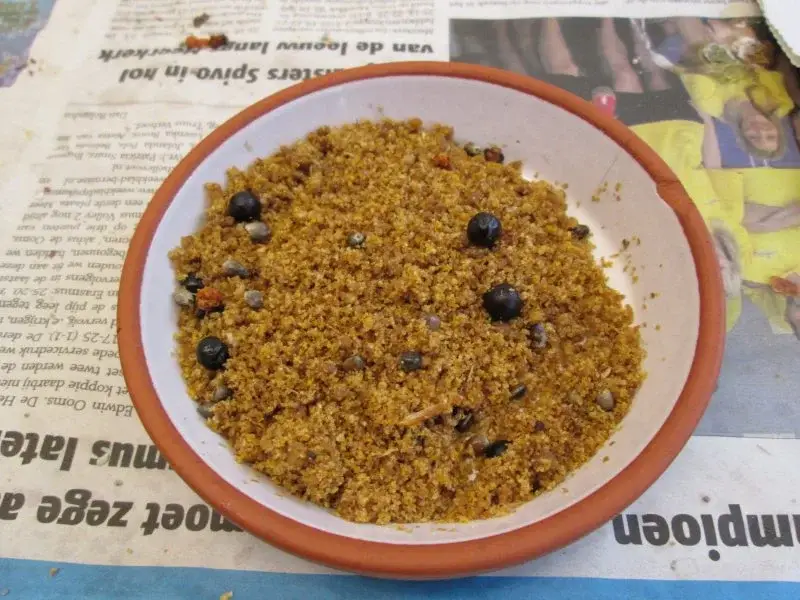
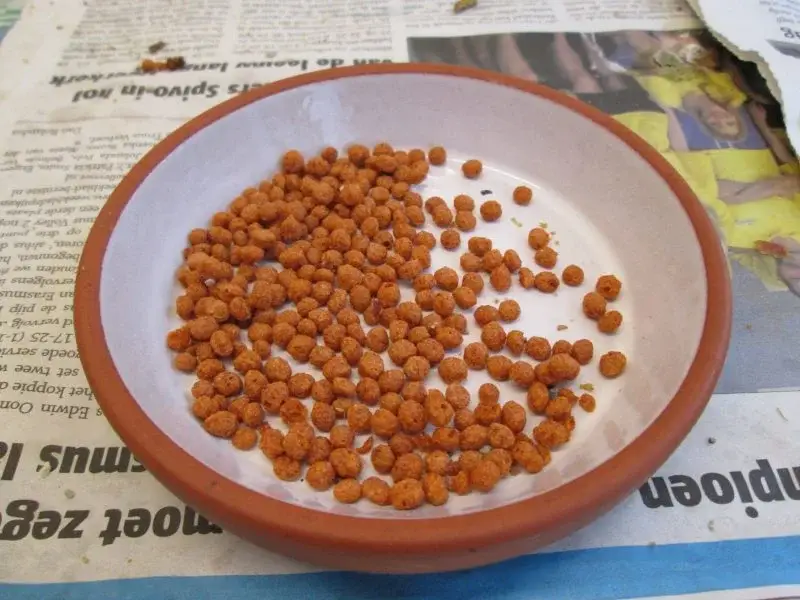
Offer a complete, controlled nutritional profile and help prevent deficiencies. Mazuri and Wisbroek are very low in iron and therefore suitable as staple diets; UniComplet is often used as an additional soft pellet that is readily accepted. Pellets can also be soaked in water for about 10 minutes and then offered alongside fruit.
Fruit patee and other soft mixes:
These are excellent for variety and are especially appreciated by species with a high fruit requirement. They are not ideal as the sole base diet, but they are perfect as supplements.
Combining universal soft food, pellets, and fruit results in a rich and varied diet. During breeding season, molt, or chick-rearing, the soft food can easily be enriched with animal proteins such as buffalo worms, pinkies, or frozen insects. Vitamins or probiotics can be added when necessary.

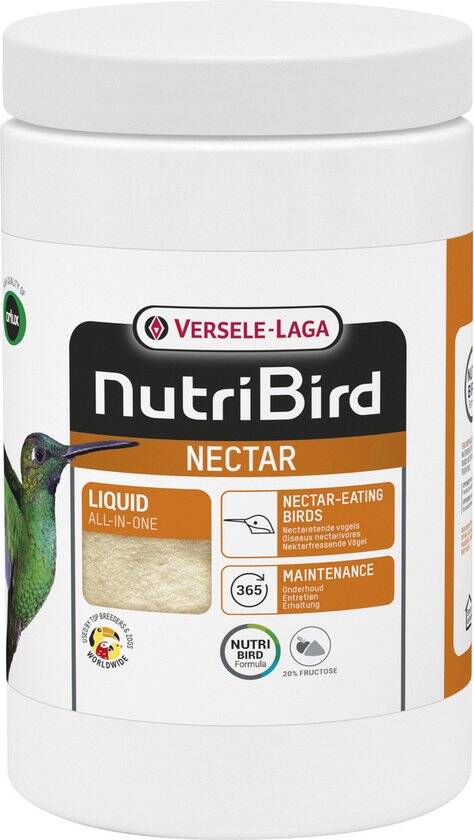
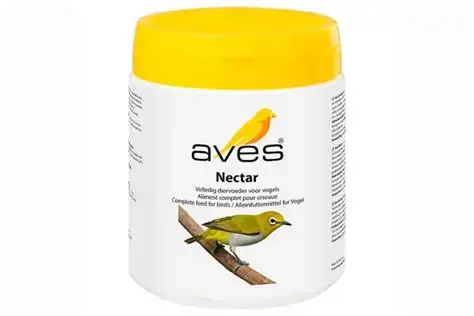
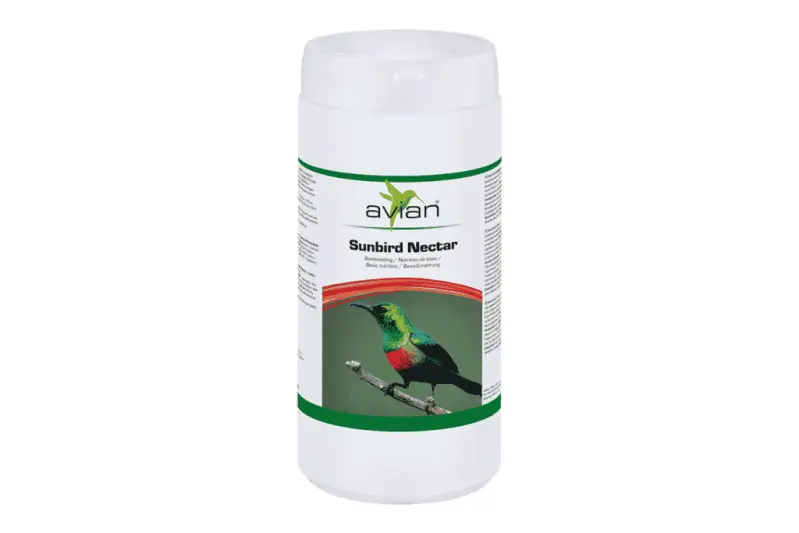
NECTAR
Tanagers are very fond of nectar, and for some species it is even an essential part of their daily diet. In particular, Cyanerpes species such as the red-legged and yellow-legged honeycreepers require almost daily access to a high-quality nectar source. These birds are true nectar feeders in the wild and obtain a large portion of their energy from sugar-rich flowers and honeydew.
For many other tanagers, nectar mainly serves as a valuable supplementary food. It provides quickly available energy and encourages natural foraging behavior. However, when nectar is offered in large amounts on a daily basis, you will often notice a clear decrease in the intake of soft food and fruit. Since egg food and fruit supply important nutrients that nectar lacks, it is wise to offer nectar to these species in moderation—typically once or twice a week.
Nectar can also play a helpful role in the care of birds with reduced resistance. For weak, recovering, or sick tanagers, nectar provides a quick energy boost without requiring them to consume heavy foods. It is easy to digest, palatable, and almost always readily accepted. It can also be used as a carrier for medications, which are often absorbed more effectively than when added to drinking water.
When offering nectar, keep the following in mind:
-
Use a high-quality commercial nectar formulated for honeycreepers/tanagers, or a well-balanced homemade mix.
-
Replace nectar daily—and in warm weather, even twice a day—to prevent fermentation.
-
Offer nectar in a narrow, hygienic cup or special nectar dish to limit spillage and contamination.
-
Avoid plain sugar solutions without added nutrients, as these contain no vitamins or minerals.
-
During the breeding season, a protein-rich nectar can be beneficial for species that consume large quantities of insects.
By using nectar strategically—daily for the truly nectar-dependent species and in moderation as a supplement for the others—tanagers remain strong, active, and in excellent condition.
INSECTs
Insects are an essential part of the tanager’s diet, especially during preparation for breeding and while raising chicks. In the wild, a large portion of their protein comes from small insects, larvae, and other invertebrates. It is therefore crucial that captive birds are offered sufficient animal protein, and that the variety of insects is adequate.
No single insect is completely “nutritionally complete.” By varying the type, size, and nutritional content of the insects, birds receive a broader spectrum of amino acids, fats, and micronutrients. Variety also prevents selective feeding and encourages natural foraging behavior.
A varied insect menu can include, among others:
-
Fruit flies (Drosophila): ideal for young birds; very easily digestible
-
Grain lice (Turkestan cockroach nymphs, etc.): high in protein and well accepted
-
Mealworms: energy-rich but higher in chitin; best used as supplemental food
-
Buffalo worms: soft, small, perfect for feeding nestlings
-
Pinky mice: nutritious, suitable as an additional protein source
-
Crickets (small sizes): stimulate active foraging
-
Cockroaches (e.g., Red Runner or Turkish cockroaches): protein-rich and easily digestible
-
Wax moth larvae: very popular but fattier; feed sparingly
Both live and frozen insects can be offered, each with its advantages. Live insects stimulate natural behavior, are often eaten more quickly, and can be gut-loaded (fed nutritious food beforehand). Frozen insects are practical, have a long shelf life, are safe, easy to portion, and can be offered daily as a staple. Many breeders use a combination: frozen insects as a daily base and live insects for extra stimulation during breeding or for picky eaters.
Whether live or frozen, it is important that the insects themselves are of good quality. Live insects can be gut-loaded with fruit, vegetables, or high-quality insect feed. Frozen insects retain better quality if thawed slowly and not fed wet.
When tanagers receive sufficient and varied insects, it is immediately reflected in their vitality, breeding drive, chick growth, and overall condition. This makes insects an essential component of a successful breeding program.
EIVOER
Egg food is an important supplement to the daily diet of tanagers and plays a key role during breeding periods, molt, and chick rearing. It is a concentrated source of high-quality proteins, fats, vitamins, and minerals, making it an ideal way to enrich the overall diet.
Good egg food has a light, moist texture and is readily accepted by most tanagers, especially when lightly moistened or mixed with fruit, universal soft food, or small insects. During the breeding season, egg food can be further enriched with buffalo worms, fruit flies, or other small insects to increase its protein content.
Tanagers naturally consume more protein when raising chicks, making high-quality egg food essential. Outside the breeding season, it can be offered in smaller amounts, for example a few times per week, to maintain a balanced diet without risking overfeeding.
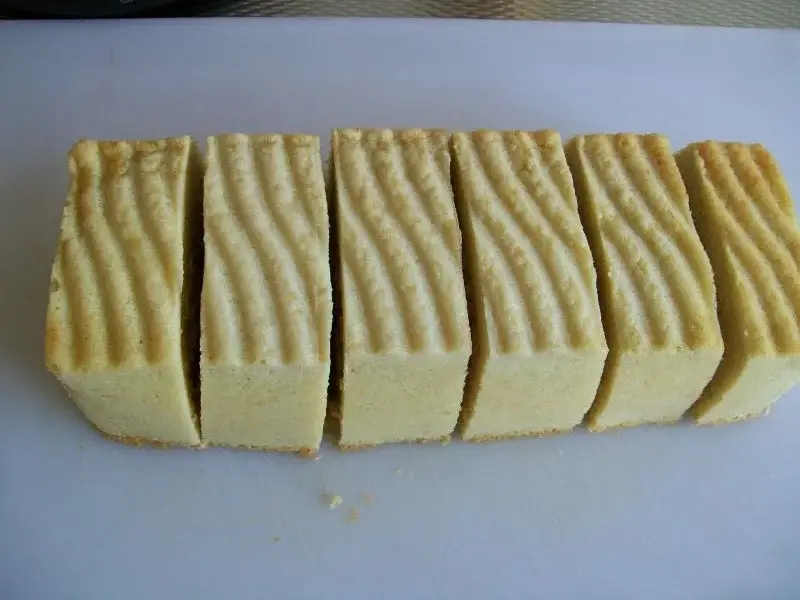
Homemade egg food recipe:
-
Mix 250 ml water with 180 g couscous and let it sit for a few hours to allow the water to be fully absorbed.
-
After about three hours, add 6 medium eggs and mix thoroughly.
-
Let the mixture sit briefly, then pour it into a (silicone) loaf pan.
-
Bake the “cake” at 200°C for 45 minutes (or 7 minutes in a microwave on full power).
-
Allow the cake to cool completely before processing.
-
Once cooled, cut the cake into six equal portions and grind each portion finely in a food processor.
-
Mash in 3 hard-boiled eggs and add 5 scoops of Aves Opfok, mixing thoroughly. (During chick rearing, you can use 6 hard-boiled eggs instead of 3.)
The egg food is now ready and can be stored in the freezer, either in portions or as a whole.
Feeding:
Take the required portion from the freezer and crumble it finely between your hands. You should end up with a coarse, crumbly egg food. At this point, you can add pinkies and buffalo worms, a scoop of Nutribird Uni Complet or Versele-Laga pellets, and optionally extra vitamins/minerals. Before mixing the pinkies and buffalo worms into the egg food, coat them with a few drops of wheat germ oil and dust them with a vitamin supplement.
This homemade egg food provides a rich, nutritious, and highly palatable supplement that supports growth, breeding, and overall health in tanagers.


Water
The quality of drinking water is extremely important and is often underestimated. For tanagers, it is recommended to provide fresh water daily. Many tanagers have a tendency to drop their fruit or pellets into the water. The exact reason for this behavior is unclear, but it does cause the water to become contaminated quickly. To prevent bacterial growth, it is best to refresh the water daily—ideally in the morning if possible.